
Philip Rüf Interview - Chase Sexton

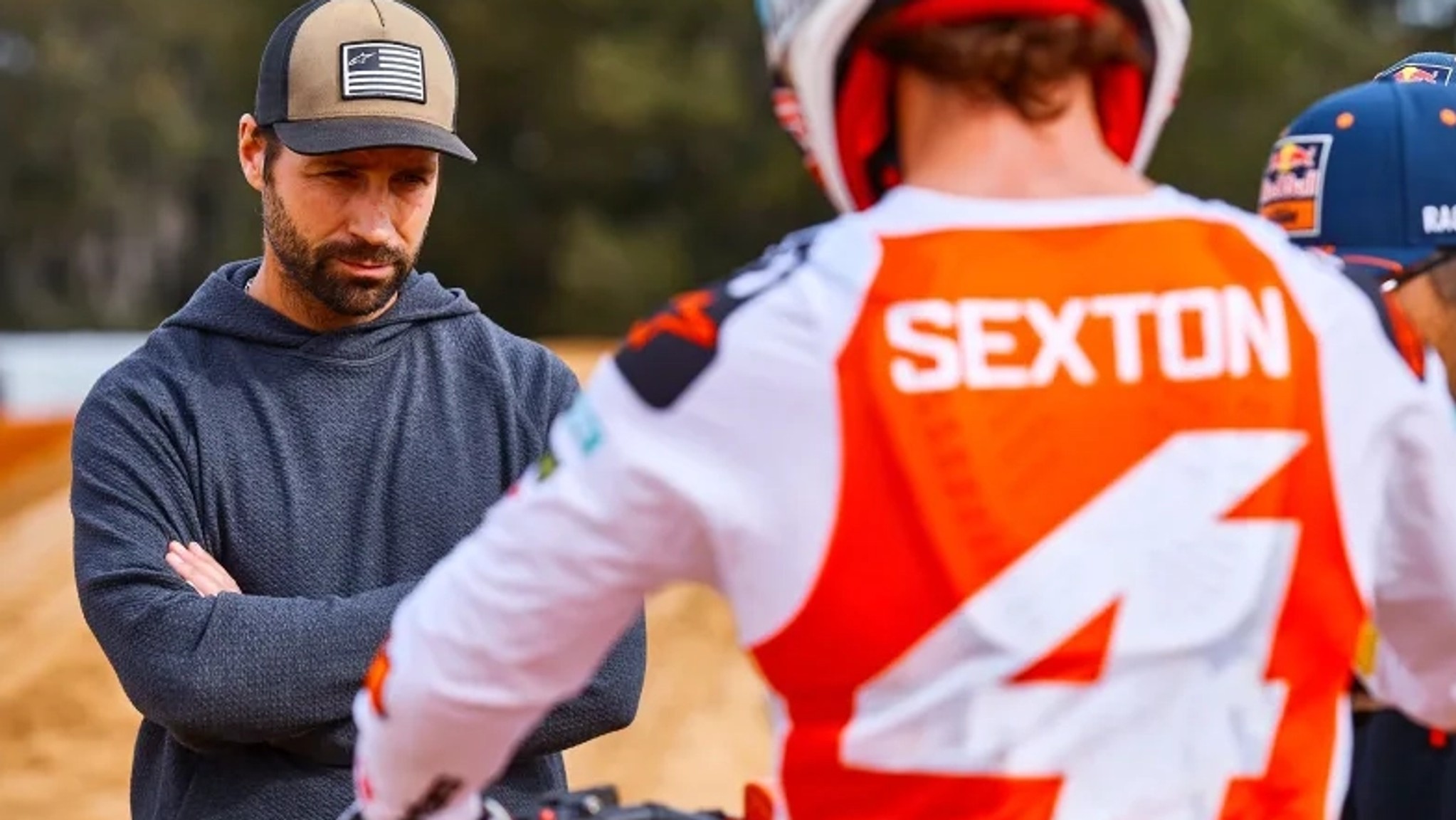
When it comes to the finest adjustments in modern performance development, Philip Rüf plays a key role. The Austrian has worked closely with Kawasaki factory rider Chase Sexton for several years, guiding one of the most complete athletes in Supercross and Motocross not only physically, but mentally as well, through the most critical phases of his career.
After a challenging year and a move to Kawasaki, Sexton is entering a new chapter—one defined by greater freedom, long-term planning, and a clear focus on sustainable performance. In this interview, Rüf offers deep insight into his daily work with Sexton, addressing mental fatigue, new training structures, the influence of the team environment, and why consistency, trust, and lightness are essential for the next step in Chase’s development.
Interview by Ralph Marzahn, Editor in Chief of MXNEWS-Online
Philip, in 2023 you told us how sensitively Chase responds to training stimuli and how important balance is to his performance. Now, with the move to Kawasaki and his clear desire for more freedom and mental ease, what role does coaching play in making this new environment truly effective?
By now, after more than four years, I know Chase extremely well. During endurance training, I know exactly which heart-rate zone he’s in or how many watts he’s producing. Even during our morning warm-up, I can immediately see how he’s feeling and how he’s moving. Based on that, we adjust the training—especially during boot camp—on a daily basis to ensure we’re always getting the best possible training effect.
Chase has spoken openly about how mental exhaustion over the past few years was a bigger issue than his physical condition. How did you use last winter to rebuild that mental foundation, and how do you recognize when an athlete is truly “open” to development again?
That’s true—mentally, especially after last season, he was very exhausted. That’s why we intentionally gave him more time off at first and started training later. We had many good, long conversations and made mental training a fixed part of his daily routine. As a coach, you can tell fairly quickly when an athlete becomes receptive again—when he listens, asks questions, and re-engages with the process.
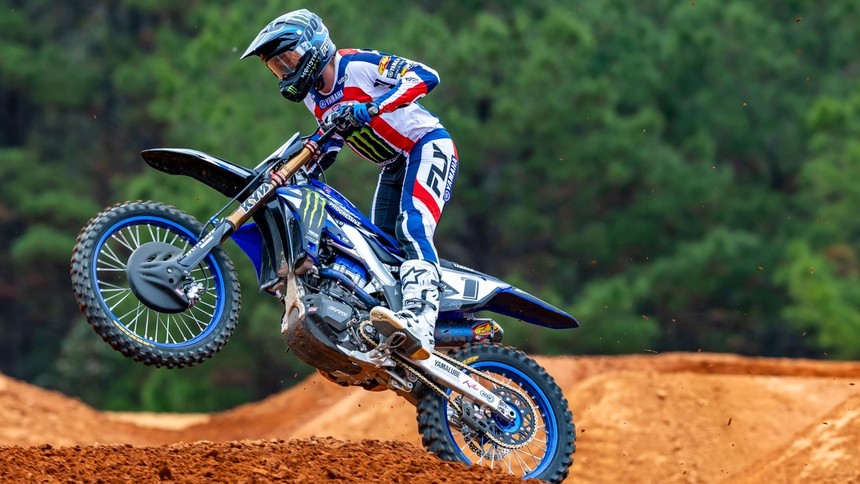
The KX450 requires a different riding approach than his previous bike, and at the same time Chase says he feels physically and energetically better than a year ago. How are you combining the technical adaptation to Kawasaki with his long-term physical peak, and where do you see his biggest potential for 2026?
Personally, I liked him on the new bike immediately. He’s riding more freely, more aggressively, and feels genuinely comfortable. Chase is extremely strong physically and, compared to many others, only needs a few weeks to return to top form. That’s why we deliberately started later, addressed old injuries, and are now in a very good place. His biggest potential for 2026 lies in his immense ambition and clear will to win. He really likes the bike—and even more so, the team around him.
Chase has said that the new team spirit and a more “open” environment are doing him a lot of good. How does that emotional relief affect your daily work—training control, communication, and managing peak loads?
This year, Chase wanted to complete the entire boot camp at home in Florida for the first time so he could fully focus on training. I thought that was a very good decision. We had far less stress from travel, could do strength and endurance sessions directly from home, cook our own meals, and integrate recovery optimally. That allowed us to build a very solid foundation. The team supported him perfectly, sending everything he needed to Florida and essentially fulfilling every request.
You’ve known Chase for years as an extremely driven athlete who rarely allows himself to rest. How do you balance his inner drive with the need to prevent overload early on?
We monitor various metrics every day, but in the end, communication is the most important factor. And since I rode motocross myself for many years and complete all endurance sessions with him, I can now assess his condition very accurately.
The change in training facilities and the more stable environment in Florida seem to be helping him a lot. What physical and mental changes do you observe when an athlete finally finds consistency in daily training?
He’s genuinely enjoying training again. He’s taking more time for recovery and is once again open to trying and accepting new things.
Chase says that with experience, he’s getting better at reproducing performance. How has his self-awareness as an athlete changed, and how does that affect your work as a coach?
Chase is now a very experienced athlete with excellent body awareness. He listens more closely to the signals his body sends and understands that success isn’t just about training hard—it’s also about recovery, nutrition, sleep, and mental work. That makes my job easier because he trusts me, is open to new approaches, and allows me to bring in ideas without having to convince him.
The past few years were marked by extreme expectations and intense training structures. What were the most important adjustments to bring lightness back into his rhythm without losing professionalism?
A key factor was deliberately keeping the circle of people around him small. On top of that, we had many honest conversations and shifted the focus back to enjoying training again.
You’ve said before that Chase is one of the strongest athletes you’ve ever worked with, both physically and mentally. What developments during this offseason impressed you the most, and why?
Without question, his determination and consistency. Chase doesn’t make excuses—neither on the track nor off it. If a section isn’t working the way it should, he practices it until it does, no matter how many attempts it takes. That shows how focused and ambitious he is, without losing the joy of riding.
With a long-term three-year contract at Kawasaki, there is now planning security for the first time. How does that change your strategic approach for 2026 and beyond, especially regarding his “prime window”?
It gives us a very good feeling. Everything is planned with the long term in mind, not just the moment. I’ve already made notes on what we can do differently or better next year, and I think the entire team feels the same way. We’re very excited about what’s ahead.
In the end, it’s clear that this restart is more than just a team change. Chase Sexton enters the next phase of his career with renewed clarity, mental freshness, and a long-term concept built on trust, structure, and an environment that allows growth. For Philip Rüf and his athlete, quick results are not the priority—sustainable, elite-level performance is.
There isn’t much time to slow down, however. The 2026 SMX season begins on January 10 at Anaheim Stadium in California, just over 14 days from now. That’s when it will become clear how effectively lightness, consistency, and preparation translate into race pace.